
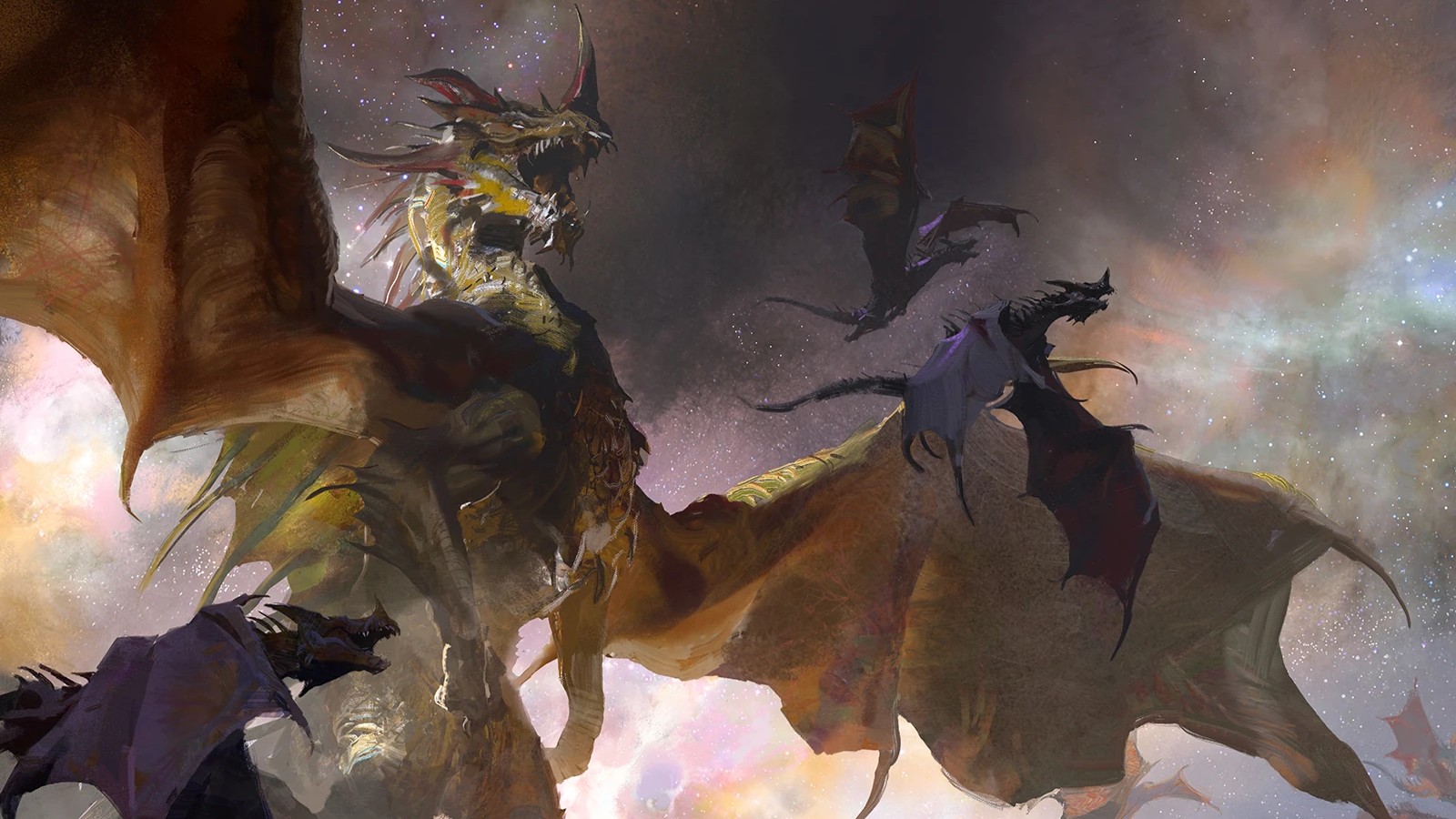
This post helps Commander players choose, build, and pilot a five-color Dragons list by explaining the core packages and play patterns behind a fun, high-power Ur-Dragon deck tech, so you can cast your big lizards on time and actually end games.
TLDR
- Your first job is not “play Dragons,” it’s fix mana + ramp so your Dragons show up before turn 9.
- Treat The Ur-Dragon as a value engine you do not need to cast early. Cast it when you can attack safely and get paid.
- The secret sauce is haste + ETB/damage payoffs, so each Dragon does something immediately.
- Decide your “spice level” up front: fair battlecruiser, extra combats, or near-infinite damage loops.
Some commanders make you feel clever. The Ur-Dragon makes you feel like you brought a bazooka to a nerf fight, and then politely asks if you would like to draw six cards for turning your creatures sideways. This Ur-Dragon deck tech is about doing that consistently, without the part where you stare at a five-color hand full of seven-drops and quietly pass.
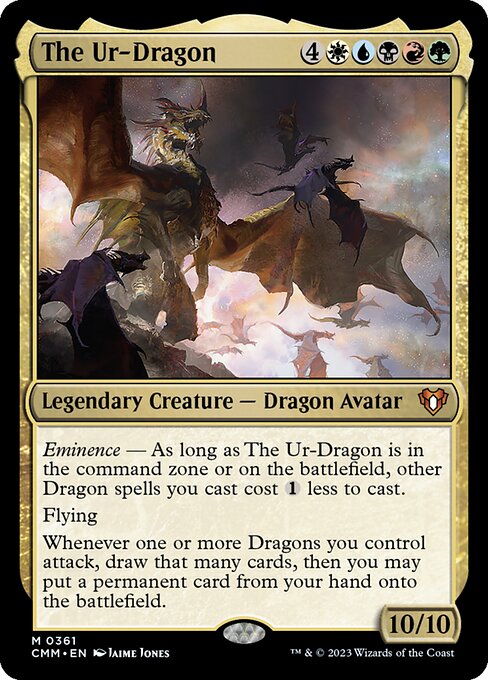






 less to cast.
Flying
Whenever one or more Dragons you control attack, draw that many cards, then you may put a permanent card from your hand onto the battlefield.
Check out our custom Ur Dragon Commander Deck.
Why The Ur-Dragon stays popular
There are flashier Dragon commanders, and there are faster commanders, but The Ur-Dragon has two things Commander players never get tired of:
- You get value while it sits in the command zone (your Dragons cost less).
- When you finally attack with Dragons, you refill your hand and you get to “cheat” a permanent onto the battlefield.
Also, a lot of people just want to cast Dragons. Deeply relatable.
Ur-Dragon deck tech: the game plan in three phases
Phase 1: Set your mana (turns 1 to 3)
Your keepable hands usually have:
- Green mana (so your land ramp works)
- 2 to 3 lands
- 1 ramp spell or rock
- Maybe a cheap setup piece (haste enabler, cost reducer, draw engine)
Your non-keepable hands usually have:
- Five colors, no green source, and “I swear I’ll draw it”
- Three taplands and a dream
- Seven-drops doing seven-drop things
Phase 2: One Dragon at a time (turns 4 to 6)
This is where you stop “playing ramp.deck” and start putting pressure on the table:
- Stick a haste payoff or a damage payoff
- Play a Dragon that does something immediately (removal, treasure, draw, board impact)
- Keep one piece of interaction up when you can, because you are about to become the problem
Phase 3: Turn the corner (turns 7+)
Now you decide whether you:
- Win through combat with giant flyers
- Win by stacking damage triggers and melting the table
- Win by chaining extra combats until nobody has friends left
The Ur-Dragon itself usually comes down here. You do not have to rush it. You cast it when you can realistically attack with multiple Dragons and get the “draw a pile, drop a permanent” trigger without immediately losing everything to a wipe.

The 99 in numbers (a framework that actually works)
If you want a default skeleton that plays smoothly, start here:
- 36 to 38 lands (five-color, you want to hit land drops)
- 12 to 15 ramp/fixing pieces (yes, really)
- 28 to 34 Dragons (enough that your tribal payoffs are always on)
- 8 to 10 card advantage pieces (draw engines, not cute one-shot draws)
- 6 to 10 interaction pieces (spot removal, counters, protection)
- 2 to 3 board wipes (you are a midrange deck, you need resets sometimes)
- 4 to 8 “payoff glue” cards (haste, cost reduction, damage multipliers, extra combats)
If you stray from this, do it on purpose. If you do it by accident, your deck will inform you by doing nothing for five turns.
Ramp and fixing: your Dragons are not a personality trait yet
Five-color Dragons is secretly a mana base + ramp deck wearing a cool hoodie.
My rule of thumb
If you want to consistently cast Dragons on curve, aim for:
- At least 8 ramp spells/rocks that cost 2
- A bunch of land-based ramp that fixes colors (because it survives wipes better than rocks)
Common Ur-Dragon ramp/fixing staples show up again and again because they just work.

Good, Better, Best ramp packages
Pick one lane so your deck is coherent.
Good (simple and steady)
- 2 mana land ramp that finds typed lands
- A couple mana rocks that fix any color
- One or two “big ramp” spells for the midgame
Better (faster starts, fewer awkward hands)
- More 2 mana ramp, less 3 mana ramp
- More untapped sources in your lands
- A couple flexible “fix everything” pieces
Best (you want to be casting Dragons while others are still setting up)
- Very dense early ramp
- Premium fixing
- A plan for protecting your board when you pop off
You can build any of these levels and still keep the deck fun. Just be honest about your pod. If your friends are playing precons, maybe do not show up with the “I have 23 ramp spells and a dream” version.
Dragons you actually want (not just the biggest ones)
A common Ur-Dragon trap is loading up on Dragons that only say “Flying, big numbers.” You want Dragons that change the game state.
Utility and value Dragons
Look for Dragons that:
- Make mana or treasures
- Remove something on entry or attack
- Refill your hand or create extra bodies
- Threaten lethal quickly when paired with haste or damage triggers
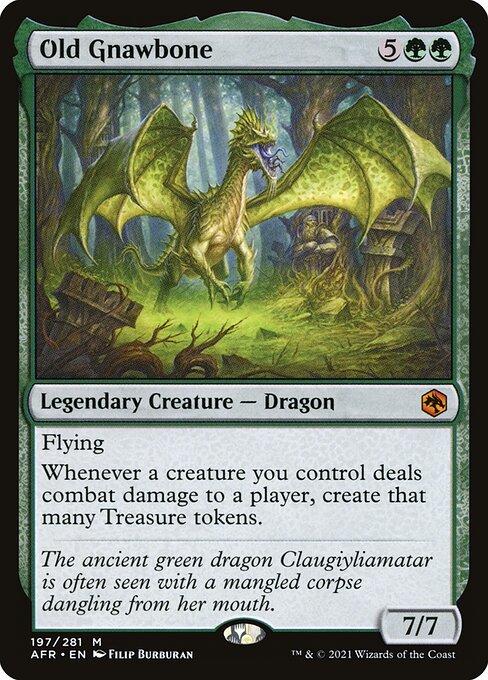

Whenever a creature you control deals combat damage to a player, create that many Treasure tokens.
Finishers that end games
Your finishers should do one of these:
- Multiply combat damage (double strike, extra combats)
- Convert Dragons entering into damage
- Create an overwhelming board in one turn
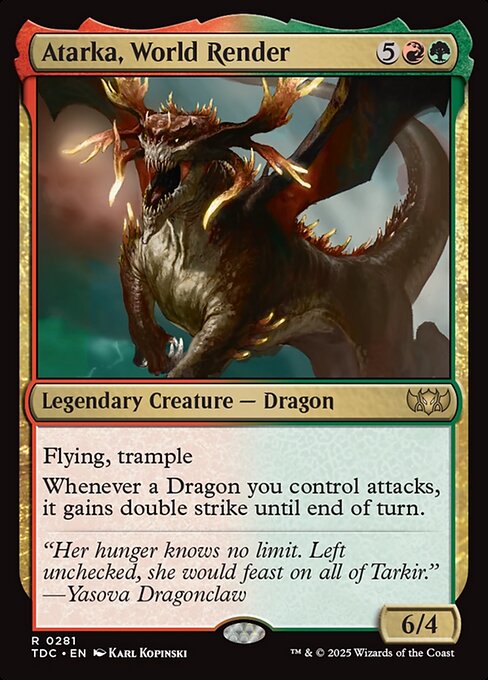
Whenever a Dragon you control attacks, it gains double strike until end of turn.
—Yasova Dragonclaw
The glue cards that make the deck feel unfair (in the fun way)
If you only add one category to your list, add haste and payoff glue. The difference between “cast Dragon, pass” and “cast Dragon, somebody dies” is usually one enchantment.
Haste payoffs
Haste is huge because Dragons are expensive, and summoning sickness is rude.
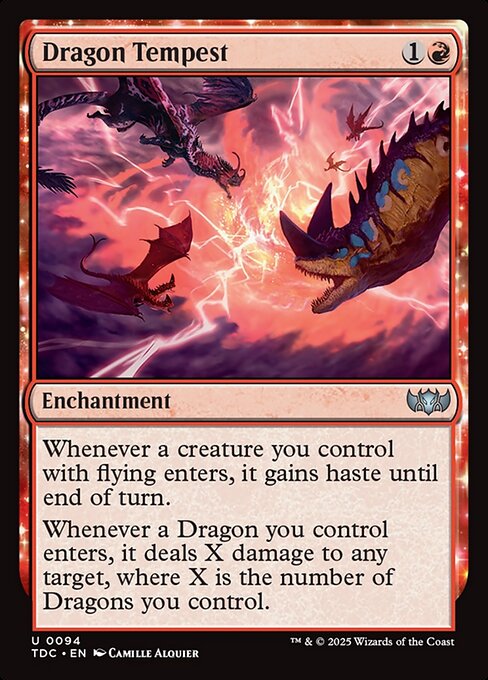
Whenever a Dragon you control enters, it deals X damage to any target, where X is the number of Dragons you control.
Damage and ETB payoffs
If you want the deck to close games instead of politely building a board forever, these are the payoffs that turn every Dragon into a fireball.
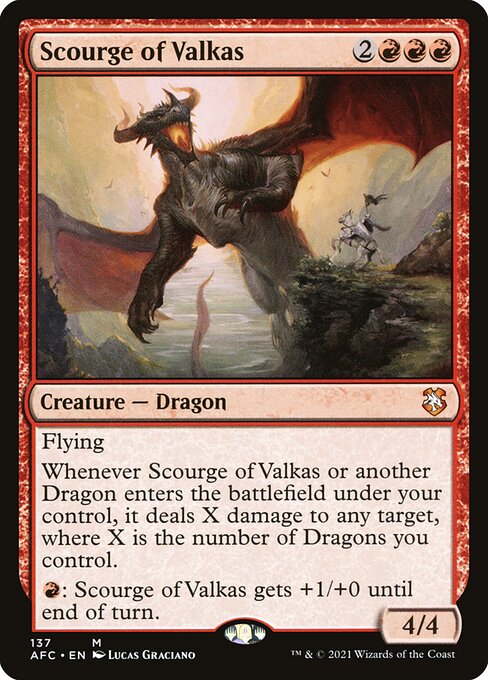

Whenever this creature or another Dragon you control enters, it deals X damage to any target, where X is the number of Dragons you control.
: This creature gets +1/+0 until end of turn.Tribal wipes and swing turns
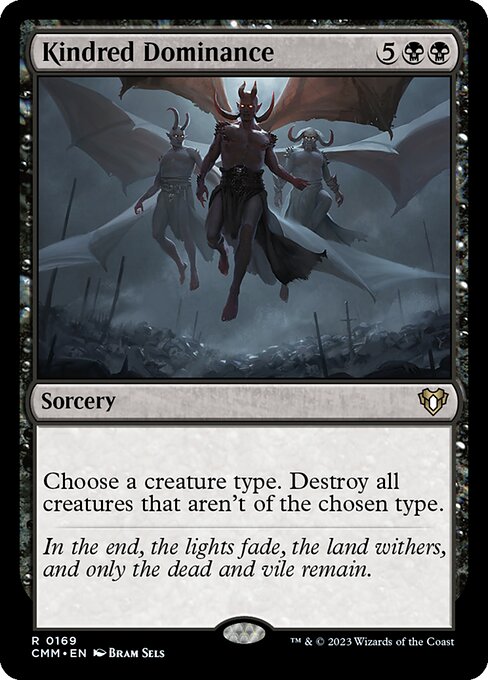
A tribal board wipe that spares your Dragons is one of the cleanest ways to reset, then immediately become the scariest thing at the table again.
The “spice dial” (pick your win style before you shuffle)
Here’s a quick comparison so you can choose your version of fun.
| Dial setting | What it feels like | What you give up | Representative “finish” |
|---|---|---|---|
| Fair battlecruiser | Big Dragons, big swings, lots of table talk | Slower closes, more vulnerable to wipes | Overwhelm via combat |
| Extra combats | You suddenly take 3 turns in a row | Higher salt potential, needs setup | Chain combats to kill table |
| Damage engine | Dragons enter, everyone takes 30 | Can feel “out of nowhere” | ETB/attack damage payoffs |
| Near-infinite | You assemble a loop and the game ends | Some pods will hate it | Repeatable damage/combat loop |
If you want a single “default” upgrade path, I recommend Damage engine + a little extra combat. It ends games without requiring you to tutor for exactly two cards every time.
Mulligan checklist (print this in your brain)
Before you keep, ask:
- Do I have green mana or a clear plan to get it?
- Do I have 2 to 3 lands?
- Do I have 1 ramp piece that actually casts on turn 2?
- Does my hand do something by turn 3, or is it just Dragons staring at me?
If you can answer “yes” to three of those, keep. If you can answer “no” to three of those, ship it. Dragons will still be there after you mulligan. They are very patient.
Common Ur-Dragon mistakes (and the fixes)
Mistake 1: Too many 7+ mana Dragons
Fix: Add more 2 mana ramp and a few 4 to 6 mana Dragons that generate value immediately.
Mistake 2: No haste
Fix: Add 2 to 4 haste enablers. Your deck will instantly feel one full turn faster.
Mistake 3: “My deck is five colors, it will be fine”
Fix: Make your early ramp fix colors, not just add mana. Then your hand stops being a tragedy.
Mistake 4: You never interact
Fix: Add a small interaction suite. You do not need to be control. You just need to stop the one card that ends the game before your Dragons do.
Newer tech worth knowing (as of early 2026)
The Ur-Dragon is old enough that it keeps getting new toys. Recent Dragon support has added more “cheat Dragons” effects, protection options, and damage multipliers. If you want to modernize your list without rebuilding it from scratch, look at:
- Big “cast Dragons for free” style effects
- New Dragon-focused value engines
- New protection and blowout cards that work at instant speed
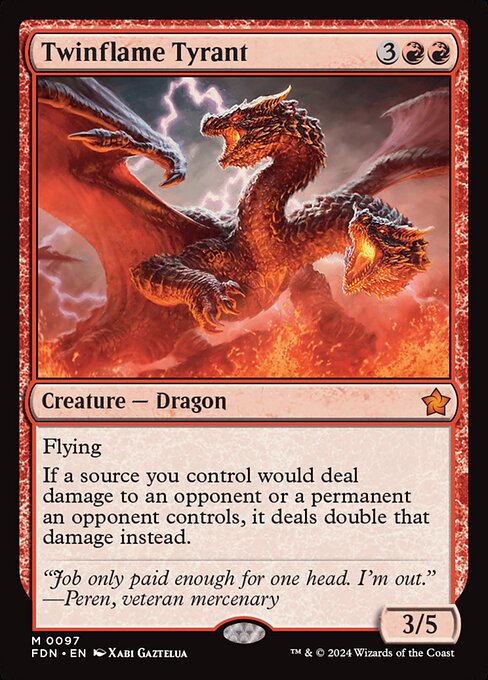

If a source you control would deal damage to an opponent or a permanent an opponent controls, it deals double that damage instead.
—Peren, veteran mercenary
FAQs
How many Dragons should I run in The Ur-Dragon?
Most lists feel good around 28 to 34. Fewer than that and your tribal payoffs get awkward. More than that and you start cutting ramp, draw, or interaction and your deck gets clunky.
Do I actually need to cast The Ur-Dragon?
No. Your deck functions without it because you get the cost reduction from the command zone. You cast The Ur-Dragon when you can attack and get paid, not because you hit nine mana and feel morally obligated.
What’s the easiest way to make the deck faster?
Add:
- More 2 mana ramp
- A couple haste enablers
- One or two damage payoffs
That is it. That is the whole cheat code.
I keep getting wiped. How do I stop losing all my momentum?
Run a little protection, do not overextend into obvious wipes, and keep at least one “rebuild fast” card. Also, accept that wipes are the tax you pay for playing a deck that looks like it belongs on a metal album cover.
What is a “reasonable” power level for Ur-Dragon?
You can build it anywhere from chill battlecruiser to high-power. The difference is mostly ramp density, tutors, and whether you include repeatable extra combats or loop finishes.